If you've driven through Estero, Florida, you may have passed a place that looks like a peaceful stretch of Florida woodland without realizing how unusual its history really is.
Along the Estero River sits Koreshan State Park, home to the preserved remains of a community built around some of the most unconventional religious and scientific beliefs of the late 19th and early 20th centuries.
The people who lived here called themselves the Koreshans. They believed the universe existed inside a giant hollow sphere and that humans lived on its interior surface. They developed their own theories about science, religion, astronomy, and society—and came to Southwest Florida with an ambitious goal: to build their own utopian community.
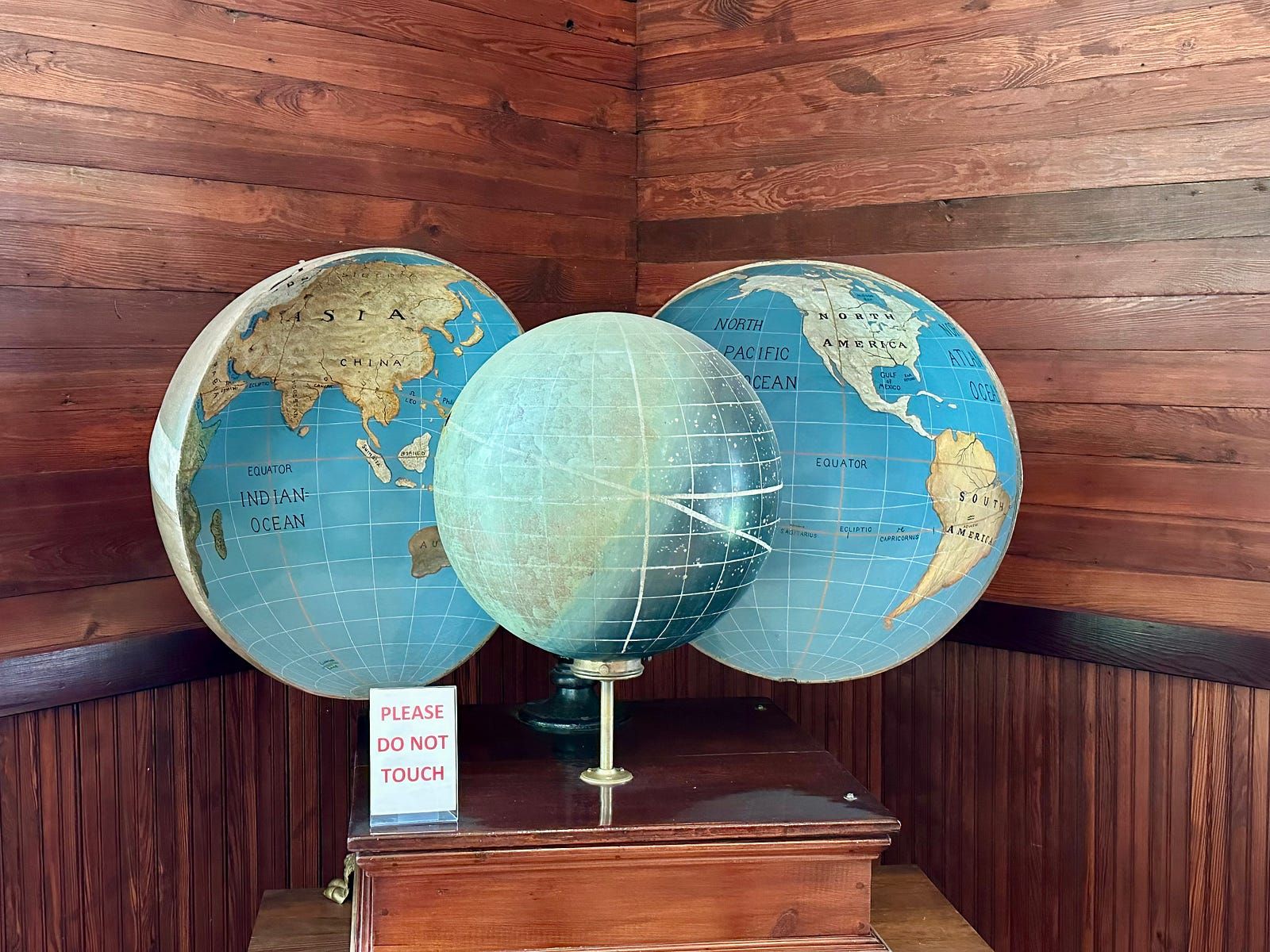
Today, you can walk through the historic settlement, see buildings dating back to the late 1800s and early 1900s, wander among beautiful gardens and towering bamboo, and get a glimpse into a fascinating chapter of Estero's past.
But the story of Koreshan State Park actually begins with another pioneer: a German immigrant named Gustave Damkohler.
A German Immigrant Helps Change Estero's History
Long before the Koreshans arrived, Gustave Damkohler was one of Estero's earliest homesteaders.
Damkohler came to Florida in the early 1880s and established a homestead along the Estero River, where he farmed and used the river to transport his crops. The Village of Estero identifies him as the area's first reported homesteader.
Then, quite by chance, Damkohler came across literature about a religious movement led by Cyrus R. Teed.
He became intrigued by Teed's ideas and contacted the Koreshan Unity. That interest eventually led him to invite Teed to visit Estero.
It was a meeting that would change the course of local history.
Teed was looking for a place where his followers could establish what they envisioned as their “New Jerusalem.”Damkohler's property along the Estero River offered the space they needed.
In 1894, the Koreshan Unity acquired a large portion of Damkohler's land and began establishing their community.
Damkohler eventually became part of the Koreshan community himself.
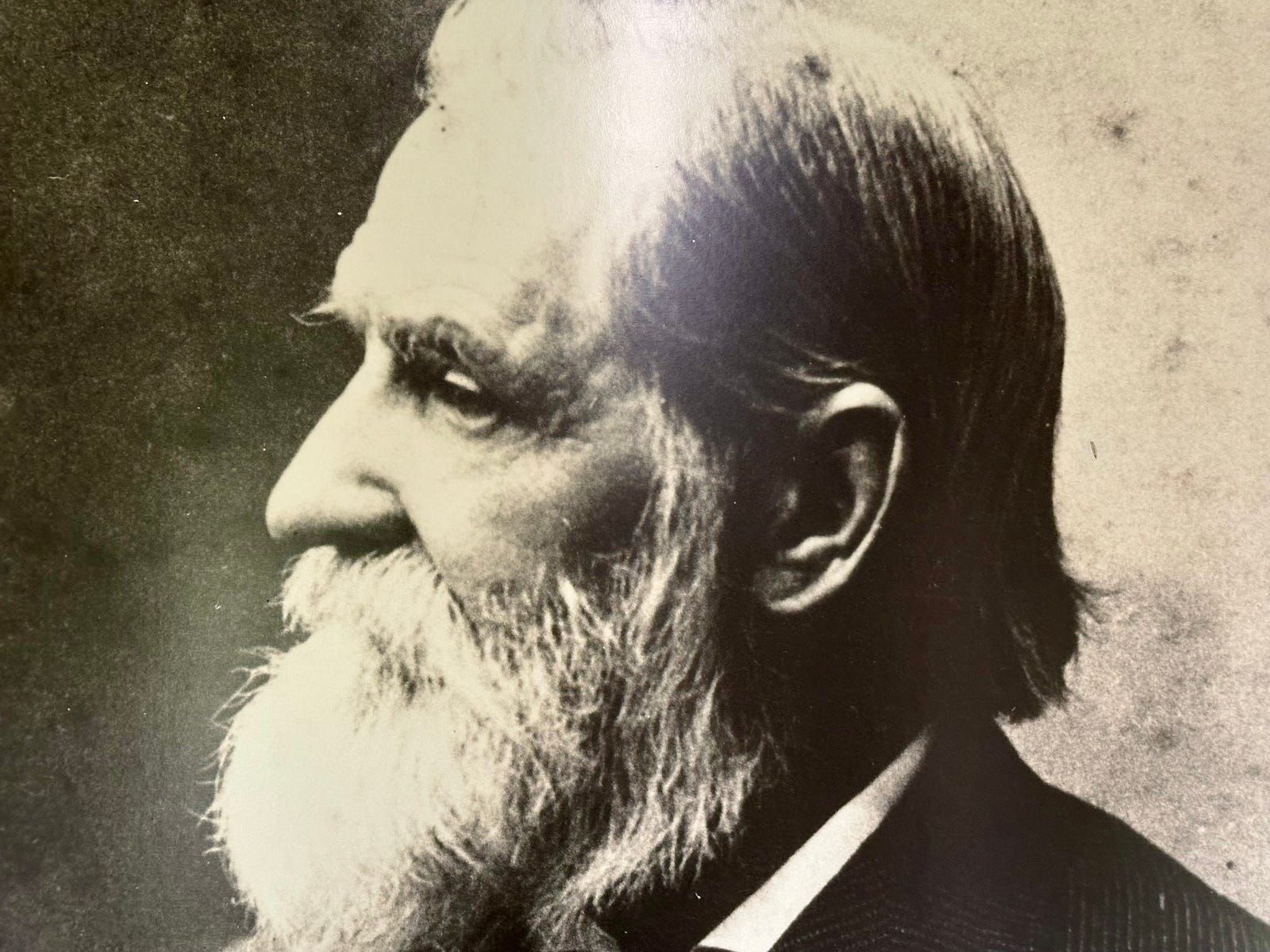
And his original cabin still exists on the property today.
That makes the story even more remarkable: when you visit Koreshan State Park, you're not only walking through the remains of the Koreshan settlement—you can also see the home of the man whose curiosity helped bring them to Estero.
Who Were the Koreshans?
The man behind the movement was Cyrus Teed, a physician and religious leader who eventually took the name Koresh.
Teed developed an elaborate belief system combining religion, philosophy, science, and his own interpretation of the universe.
Perhaps his most famous belief was that the Earth wasn't a solid globe floating through space.
Instead, the Koreshans believed we lived inside the Earth.
They imagined the Earth as a gigantic hollow sphere, with the sun, moon, stars, and other celestial bodies existing within its interior.
To modern eyes, the idea sounds extraordinary. But Teed and his followers took their beliefs seriously and even conducted experiments they believed demonstrated that their theory was correct.
Their movement wasn't simply about unusual ideas.
Teed wanted to create an entirely new society where his followers could live according to their beliefs.
And in Estero, they had the opportunity to try.
Building a Community Along the Estero River
When the Koreshans began settling in Estero in the 1890s, Southwest Florida was a very different place.
There were few roads, and the Estero River was an important transportation route.
The Koreshans set about creating a community that could support itself.
They built homes, gardens, workshops, businesses, and communal buildings. Their enterprises eventually included a printing operation, sawmill, bakery, store, boat works, machine shops, and other businesses.
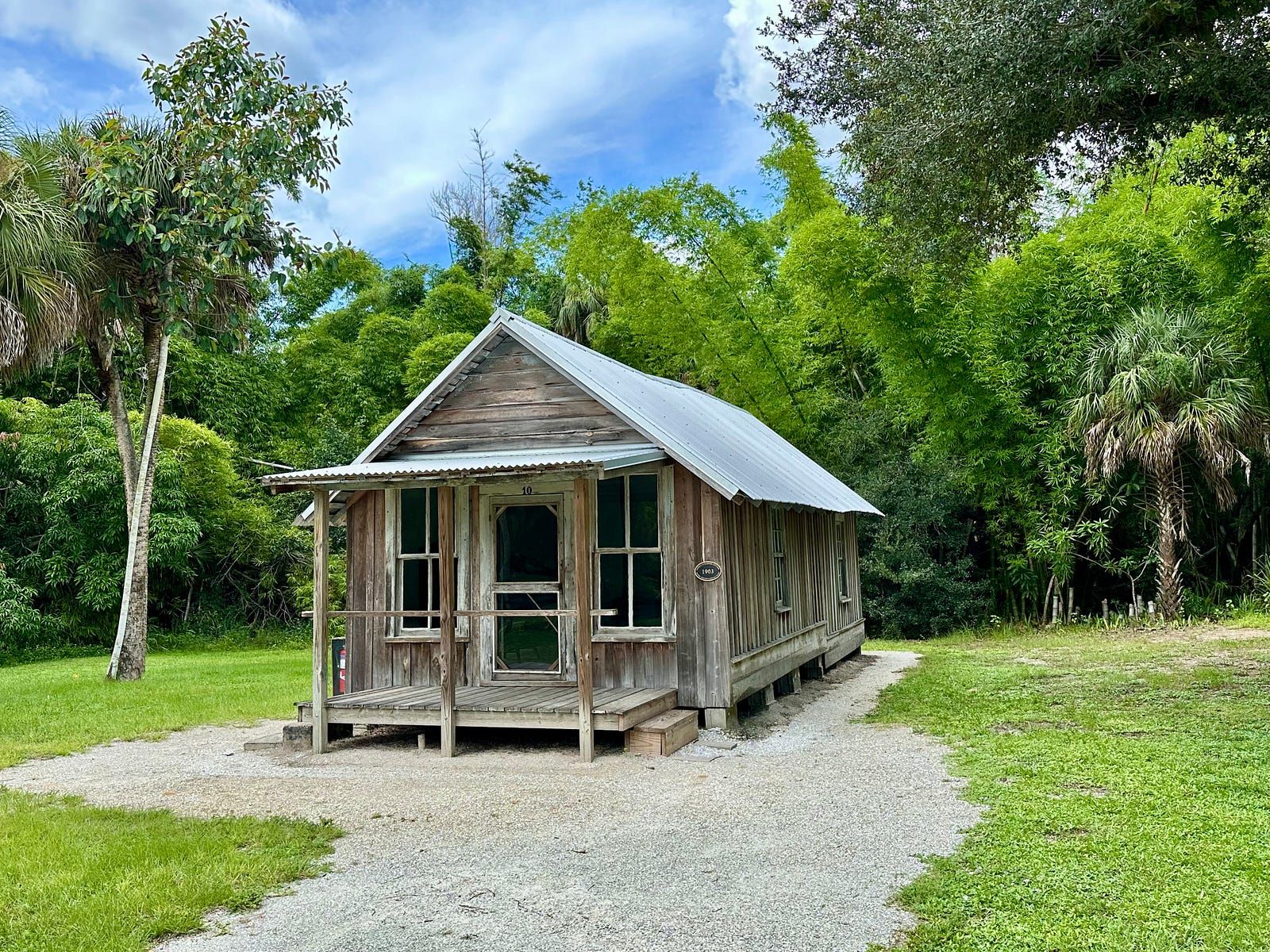
Education, science, music, and art were also important parts of community life.
The Koreshans were surprisingly innovative. They generated their own electricity and eventually supplied power to nearby residents as well. The restored Fairbanks-Morse engine at the park is a fascinating reminder of their interest in technology and self-sufficiency.
At its height, the Koreshan Unity had approximately 250 members.
It's hard to picture that number when you visit today.
The settlement is surrounded by mature trees and peaceful trails, and the river gives the property a distinctly Old Florida atmosphere. But more than a century ago, this was a busy community with homes, businesses, gardens, workshops, and social activities.
A Community Unlike Any Other
The Koreshans weren't simply trying to create a place to live.
They were trying to create a different way of life.
Members shared many aspects of communal life, and the group developed distinctive ideas about religion, education, relationships, gender, science, and society.
Work was an important part of daily life. Members contributed their skills to the community's many businesses and enterprises, while education, music, theater, and the arts provided opportunities beyond their daily work.
The Koreshans also believed strongly in self-sufficiency. Their community produced many of the goods and services it needed and developed an impressive range of industries for a settlement of its size.
Their approach to technology was equally interesting.
The community generated its own electricity and used machinery to support its businesses and daily life. For a group whose religious beliefs were so unusual, their practical interest in science and technology was surprisingly modern.
The result was a community unlike almost anything else that existed in Southwest Florida at the time.
The Koreshans' Belief in Celibacy
One of the most important aspects of Koreshan life was their belief in celibacy.
Teed taught that members should refrain from sexual relationships as part of their spiritual development.
That belief helped define the community—but it also created a significant problem for its future.
There would be no new generations of Koreshan children growing up within the settlement.
As the original members aged and died, the community gradually became smaller.
The Koreshans had created an ambitious vision for the future, but one of their central beliefs made it difficult for that future to continue.
The Decline of the Koreshans
Cyrus Teed died in 1908, and following his death, membership in the Koreshan Unity began to decline.
The settlement continued for decades, but it never again reached the size and energy it had enjoyed around the turn of the century.
As the years passed, fewer and fewer Koreshans remained.
Eventually, only a small group was left.
In 1961, the four remaining members deeded 305 acres of the property to the State of Florida as a park and memorial.
The community was gone, but the place they built was preserved.
And that is what makes visiting Koreshan State Park so interesting today.
What You'll Find at Koreshan State Park Today
Today, Koreshan State Park offers something very different from the beaches, shopping centers, and golf courses that attract many visitors to Southwest Florida.
It's a place where history and nature come together.
The historic settlement includes 11 buildings listed on the National Register of Historic Places, dating from the late 1800s through the early 1900s.
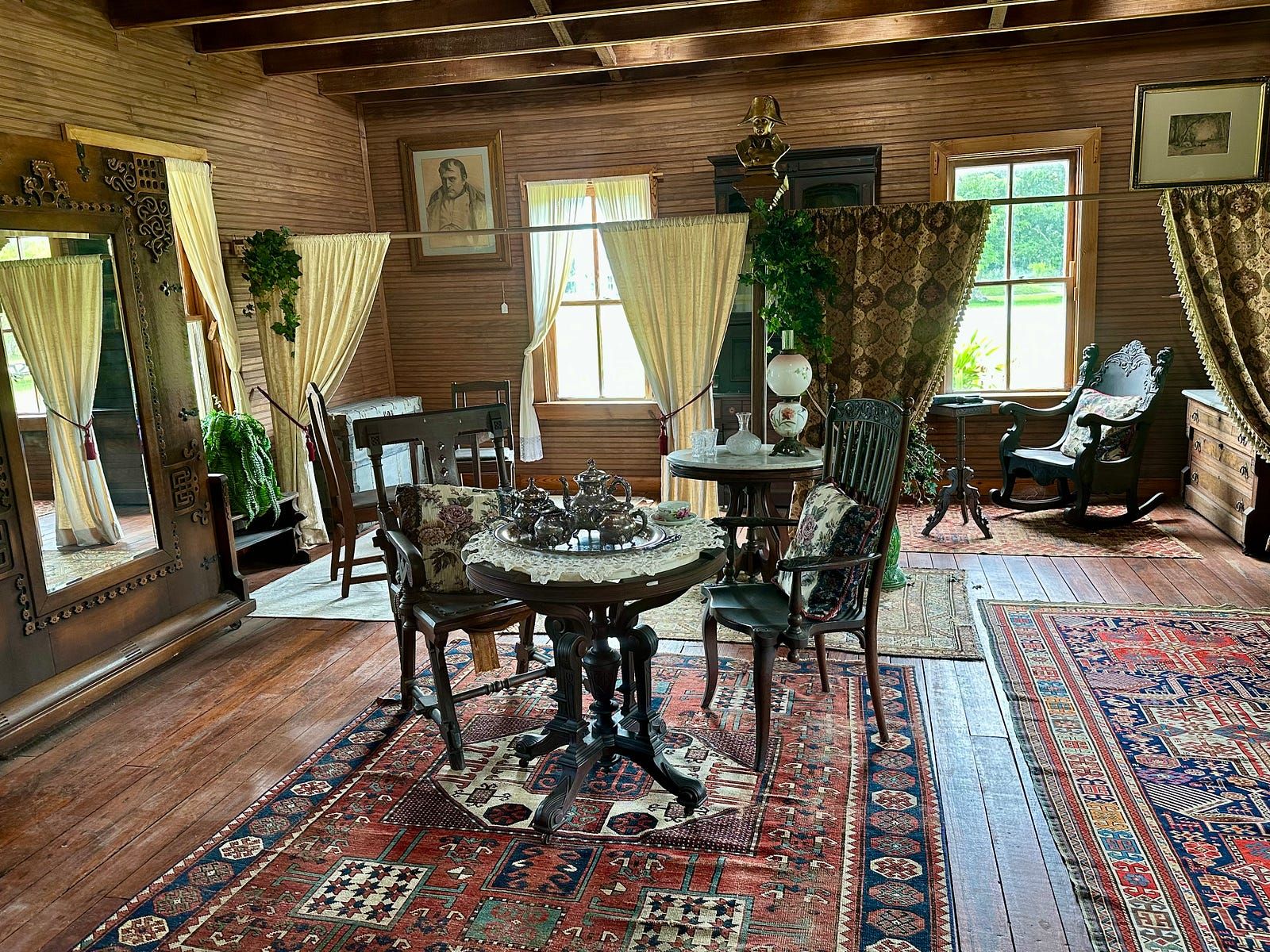
Among the highlights are the Founder's House, Planetary Court, Art Hall, machine shops, Generator Building, and Damkohler's cabin.
The Damkohler cabin is particularly special because it connects the Koreshan story with the earlier history of Estero.
The Art Hall offers a glimpse into another side of Koreshan life. The community wasn't focused entirely on work and religion. Music, theater, art, and education were important parts of their culture.
Then there's the industrial area.
The restored Fairbanks-Morse engine is one of the most fascinating pieces to see. Installed to provide electricity for the community, the engine powered buildings throughout the settlement. Eventually, electricity was also made available to neighbors in the surrounding area.
It's an easy detail to overlook, but it tells you something important about the Koreshans.
They may have held unconventional beliefs, but they were also practical, ambitious, and interested in technology.
Explore the Gardens and Bamboo Trails
The historic buildings aren't the only reason to explore the park.
The gardens and trails are part of the story, too.
The Koreshans cultivated an unusual collection of plants, bringing species from around the world to their settlement. Some of those historic plantings remain today.
The towering bamboo is especially memorable, forming dense corridors along portions of the trails and around the settlement.
The bamboo isn't simply landscaping. It is considered a cultural resource because of its connection to the Koreshans and the community they created.
The River Trail follows the Estero River through bamboo and Florida forest, offering a peaceful way to experience the natural side of the park.
It's also worth slowing down and looking around.
You may see gopher tortoises around the historic settlement, while the Estero River is home to wildlife including river otters, manatees, alligators, and dolphins. The park is also a good location for bird-watching, with more than 100 bird species recorded there.
This combination of history and nature is one of the things that makes Koreshan State Park so enjoyable. You can spend part of your visit learning about an unusual community and the rest simply enjoying the quiet landscape along the river.
Take a Guided Tour
If you have the opportunity, a guided tour is a great way to experience the Koreshan settlement.
The history is unusual enough that having someone explain the buildings, beliefs, daily routines, and innovations can make the visit much more meaningful.
Florida State Parks offers guided tours year-round, although schedules vary.
You can also explore the grounds at your own pace.
Either way, I would allow yourself more time than you might expect. There is enough to see that Koreshan State Park can easily become more than a quick stop.
What Else Can You Do Near Koreshan State Park?
One of the best things about visiting Koreshan State Park is its location.
It's easy to combine the historic site with some of the other attractions around Estero and Southwest Florida.
If shopping is on your itinerary, Miromar Outlets and Coconut Point are nearby.
If you're ready for some Gulf Coast scenery, Lovers Key State Park is another great addition to the day, with beaches, waterways, wildlife, and opportunities for kayaking.
And if you're interested in going even further back in Southwest Florida's history, Mound Key Archaeological State Park offers a fascinating look at the region's Calusa heritage.
Mound Key is accessible only by water, and visitors commonly launch from nearby locations including Koreshan State Park and Lovers Key.
That makes Koreshan State Park an easy attraction to add to a larger Southwest Florida itinerary.
You could spend the morning exploring the historic settlement, enjoy lunch and some shopping in Estero, and finish the day near the Gulf.
Planning Your Visit to Koreshan State Park
Location: 3800 Corkscrew Road, Estero, Florida
Park hours: 8 a.m. until sunset, 365 days a year
Historic settlement: 8 a.m. to 5 p.m.
Ranger Station: 9 a.m. to 5 p.m.
Admission: $5 per vehicle for two to eight people; other admission rates are available for single-occupant vehicles, pedestrians, and bicyclists.
Guided tours: Available year-round; schedules vary.
Kayaking: Visitors can launch their own canoe or kayak on the Estero River. The park does not currently offer canoe or kayak rentals.
Camping: The campground is currently temporarily closed, so check with Florida State Parks for the latest status before making camping plans.
Because hours, fees, tours, and park conditions can change, it's always a good idea to check the latest information before your visit.
Is Koreshan State Park Worth Visiting?
If you're looking for something a little different to do in Estero, absolutely.
Koreshan State Park isn't simply another place to walk through the woods.
It's the remains of a community built around an extraordinary idea—one that attracted hundreds of followers, established businesses and industries, experimented with science and technology, and left behind a fascinating collection of buildings, gardens, and stories.
And perhaps one of the most interesting parts of the story is that it connects back to Gustave Damkohler, a German immigrant and early Estero homesteader whose curiosity about a strange new religious movement helped bring Cyrus Teed and the Koreshans to Southwest Florida.
More than a century later, you can still walk through the place where that story unfolded.
The Koreshans are gone.
Their unusual ideas have largely faded into history.
But their settlement remains.
And wandering through the quiet grounds of Koreshan State Park, beneath the towering trees and bamboo along the Estero River, it's easy to understand why this unusual corner of Estero continues to fascinate visitors today.
Where to Stay for Your Southwest Florida Vacation
If you're planning to explore several of these attractions, staying in Southwest Florida gives you the opportunity to see much more than you could on a single day trip.
A vacation home in Cape Coral provides a comfortable home base for exploring the beaches, restaurants, nature preserves, shopping, and attractions throughout Southwest Florida.
After spending the morning wandering through the historic Koreshan settlement, you might head to the beach, explore another nearby attraction, or simply return to your vacation home and relax.
That's one of the things we love about a Southwest Florida vacation—you can combine history, nature, beaches, shopping, and plenty of downtime without having to choose just one.
If you're planning a Southwest Florida getaway and would like to stay in a vacation home rather than a traditional hotel, take a look at our Cape Coral vacation rentals with Hospitality Fox and see if one might be a good fit for your trip.
Chris Groepl